Course creators can use a KDP companion book to turn lessons into a durable reading and practice experience, but the manuscript must be rewritten for print rather than copied from transcripts.
FOR · AMAZON KDP
BookWizard for Course Creators
Course creators can use a KDP companion book to turn lessons into a durable reading and practice experience, but the manuscript must be rewritten for print rather than copied from transcripts. This page explains the decision, production steps, risks, and final review required for a KDP-ready edition.

Product proof
See it in BookWizard
The work this audience needs to control
Course creators can use a KDP companion book to turn lessons into a durable reading and practice experience, but the manuscript must be rewritten for print rather than copied from transcripts. A strong workflow keeps creative decisions, client approvals, and edition files traceable.
The intended reader or decision context is specific: map each course outcome to explanations, examples, exercises, note space, and versioned resources. That scope keeps the project aligned with the book readers will actually receive.
Inputs and approvals
Before production, map each course outcome to explanations, examples, exercises, note space, and versioned resources. Record these choices in the project brief so drafting, design, and metadata use the same assumptions.
This is especially important for KDP because a late edition change can affect pagination, cover dimensions, identifiers, listing fields, or distribution choices.
A repeatable KDP workflow
The operational approach is to maintain a curriculum-to-chapter map and revise the book when the course changes materially. Work from one approved source instead of editing disconnected exports.
Use explicit approval points for structure, manuscript, visual assets, edition settings, and metadata. That keeps speed from turning into version confusion.
Handoff and quality checks
A key risk is this: module changes, transcript filler, and fragile links quickly make companion books feel outdated. Correct the source decision rather than patching only the final file.
For the final check, test every exercise with a learner and make the book useful without requiring constant video access. KDP Previewer and the current Amazon help pages remain the authority for the submission surface.
BookWizard for this publishing role
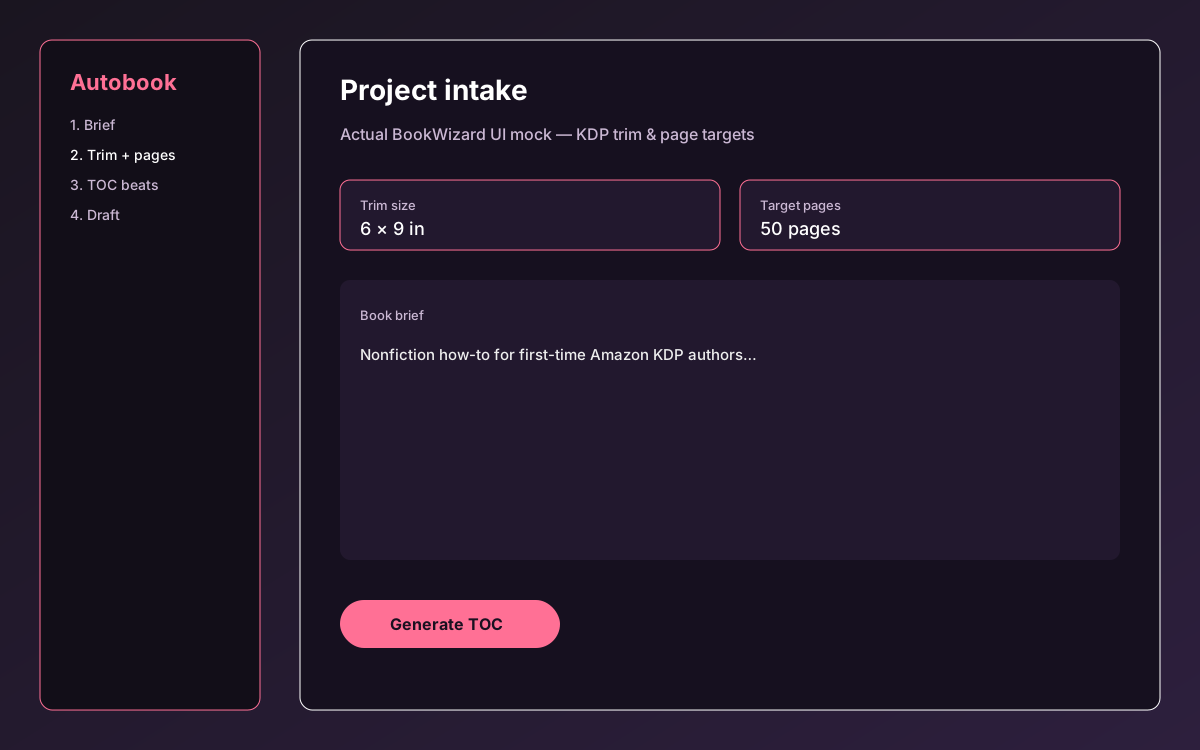
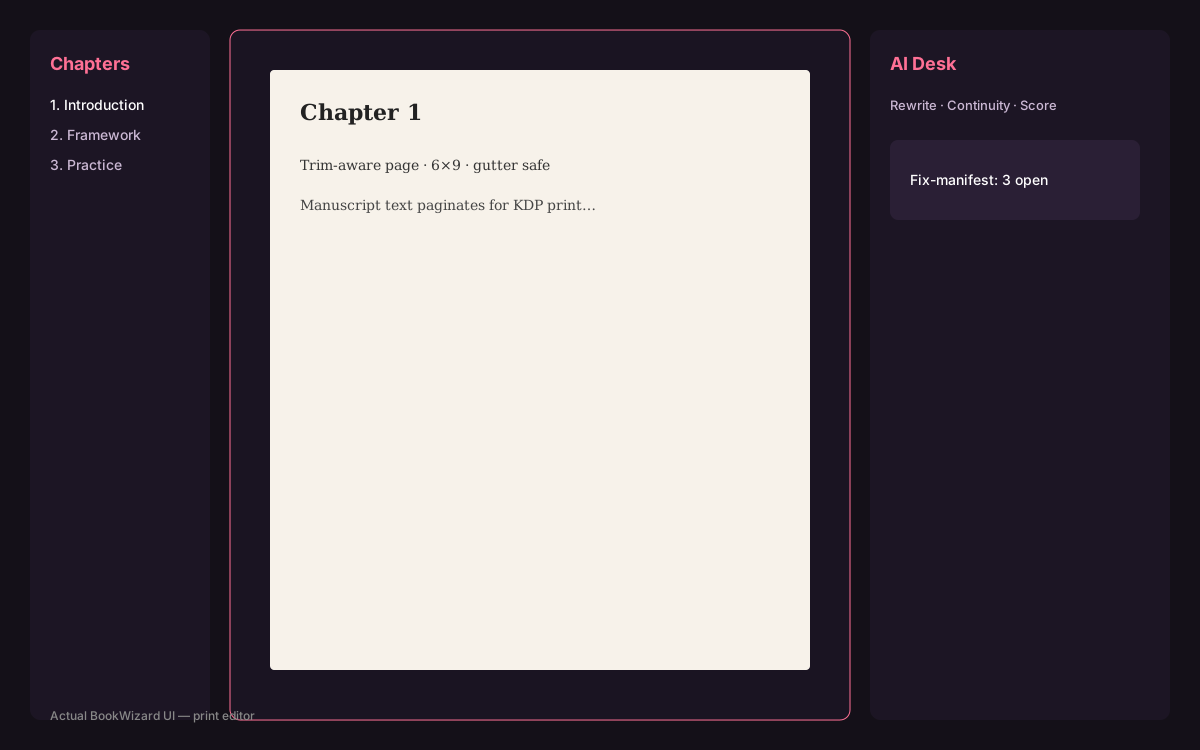
BookWizard connects BookWizard for Course Creators to the rest of KDP production: Autobook supports structured drafting, the print editor handles trim-aware pages, Cover Studio builds the wrap, and Export Studio packages PDF, EPUB, manifest.json, and checklist.md. Publish Studio prepares listing fields, while the Chrome extension uses preview-before-apply so you remain in control. Studio is $20/mo with 1M AI tokens, and a typical ~50-page pack can take about 45 minutes. BookWizard does not auto-publish and does not promise royalties.
FAQ
Common questions
Last reviewed: 2026-07-29